

The Saratoga Dispatch recently posted about bars giving up on young people and instead catering to Gen X. Lots of reasons were given for why there seem to be less 20somethings hitting the bars, things like- less interest in traditional nightlife, more focus on healthy activities with less alcohol consumption, greater marijuana use now that it’s legalized, and even the increased use of GLP-1 drugs which cut down interest in drinking and eating. There may be another important factor that wasn't mentioned: a night on the town has become prohibitively expensive.
The New York Times recently had an article about how affordability is impacting the dating scene down in New York City and Gen Z is on the front line. Date night is expensive. $130 dinners, $20 cocktails, $20 tickets to the movies. It adds up quickly. And for a generation experiencing a sluggish job market, the entertainment budget is very tight.
Our own Weekly Index which tallies up the minimum costs for a NYC couple to make a mid-week spontaneous decision to visit Saratoga Springs the following weekend puts the price tag at around $2,000 during the mid-summer and that’s with minimal entertainment.
Let’s face it. We’re all feeling it. Whether you’re part of the Baby Boomer, Gen X, Millennial, or Gen Z generation, affordability is a big issue with potentially big political ramifications just around the corner, especially when it’s combined with our growing wealth inequality issue.
Saratoga Springs offers an interesting lens through which to view all this. For more than a century, the city has prospered by attracting visitors with disposable income. The summer racing season, boutique hotels, fine dining, and entertainment have always depended on people with the means to spend.
When affluent visitors come into our town and spend, it creates jobs, generates revenue for our local businesses, and provides tax revenue for our local government to serve our residents. This, in a nutshell, is a large part of our city’s economic model.
Never before has wealth inequality in this country been so great. At what point does it become unsustainable for the nation and for our town? When is the cost of economic participation so high that more and more people are forced to sit on the sideline as their resentment grows? It's a question we'll increasingly have to confront.
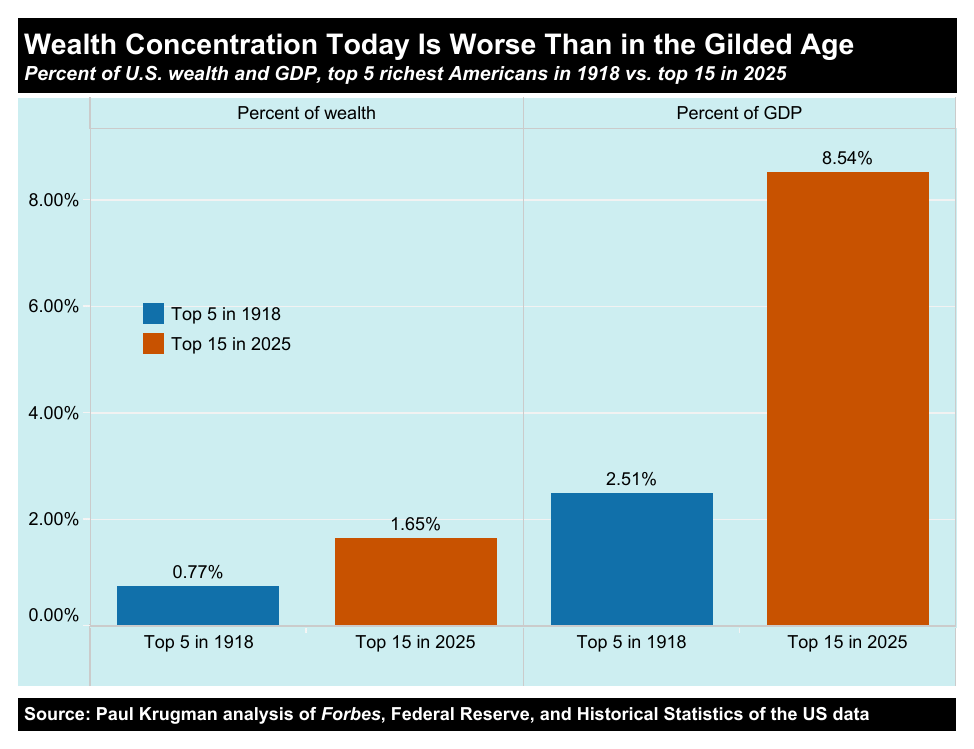
We may start to hear what voters think about this come November.
On the money, Larry. The level of inequality is a self-generating monster. The more money they have, the greater their capture of government at all levels, from flooding money into campaigns for people who will carry out their direction to capturing government agencies meant to protect the public. On the other hand, as the problems deepen, they require more and more extreme solutions which are less and less possible. What irony that "electable" obscures the relevant.